What is the “Pipeline”?
The “Pipeline,” also called the Auction System, is a path that some horses end up in for many different reasons, including abandonment, overbreeding, loss of funding, natural disasters, or changes in ownership.
Each year, it is estimated that around 80,000 horses are shipped across international borders where their fate may be uncertain.
In 2005, horse slaughterhouses were banned in the United States. While this ban was meant to protect horses, it also caused parts of the industry to move out of the country instead of disappearing completely.
As a result, some people began purchasing horses from auctions and sending them to locations where processing is still legal. These individuals are commonly referred to as “kill buyers.”
Our goal is to bring awareness to this issue and help prevent horses from ever having to enter this system.
Kill Pens & Holding
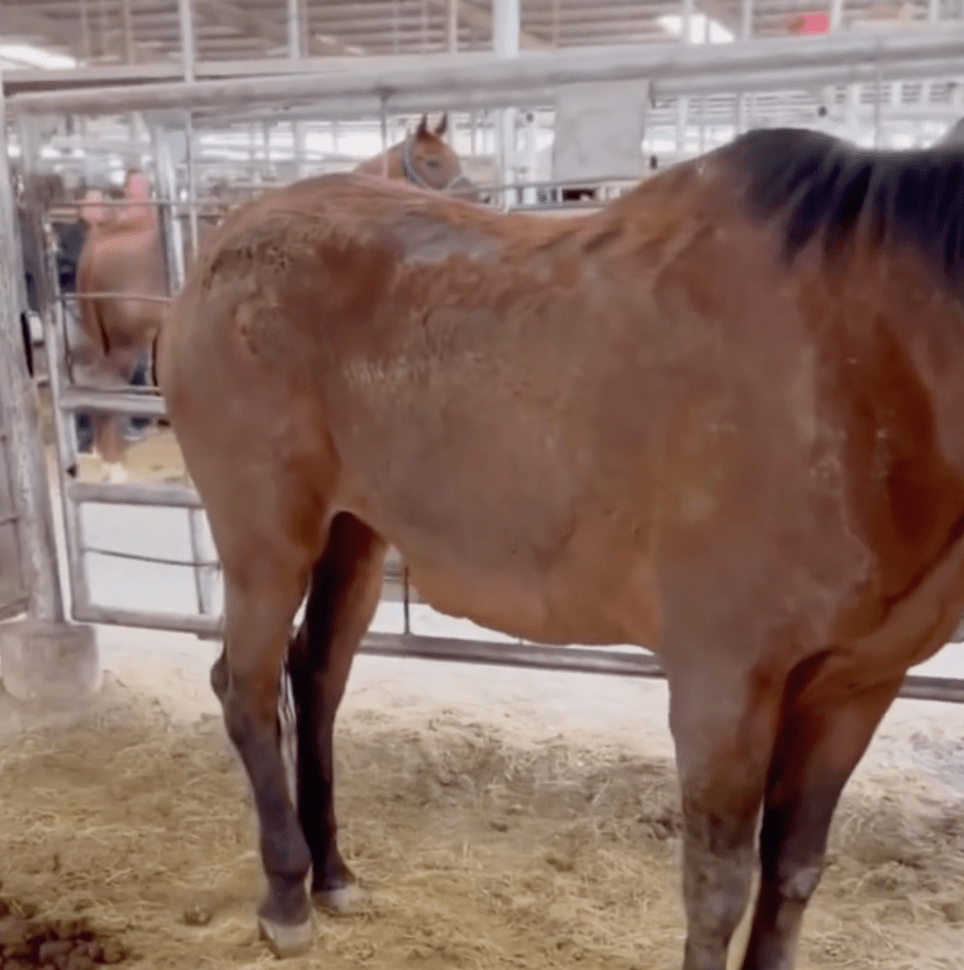
Horses purchased at auctions are sometimes placed into temporary holding areas while buyers decide what happens next.
These spaces are often crowded and stressful for the animals, especially if they are young, injured, pregnant, elderly, or unfamiliar with handling.
Because horses in these pens are not separated by gender, age, or health condition, stallions, mares, and foals can be housed together, which can create unsafe situations for the animals.
Some horses are purchased by people who want to rescue and rehome them. Unfortunately, others are bought only for profit, without concern for the horse’s long-term safety and well-being.
Every horse deserves safety, comfort, and a chance at a better life.
How the BLM Feeds Into the Pipeline
The Bureau of Land Management (BLM) oversees approximately 26.9 million acres of land in the United States where wild horse and burro herds roam.
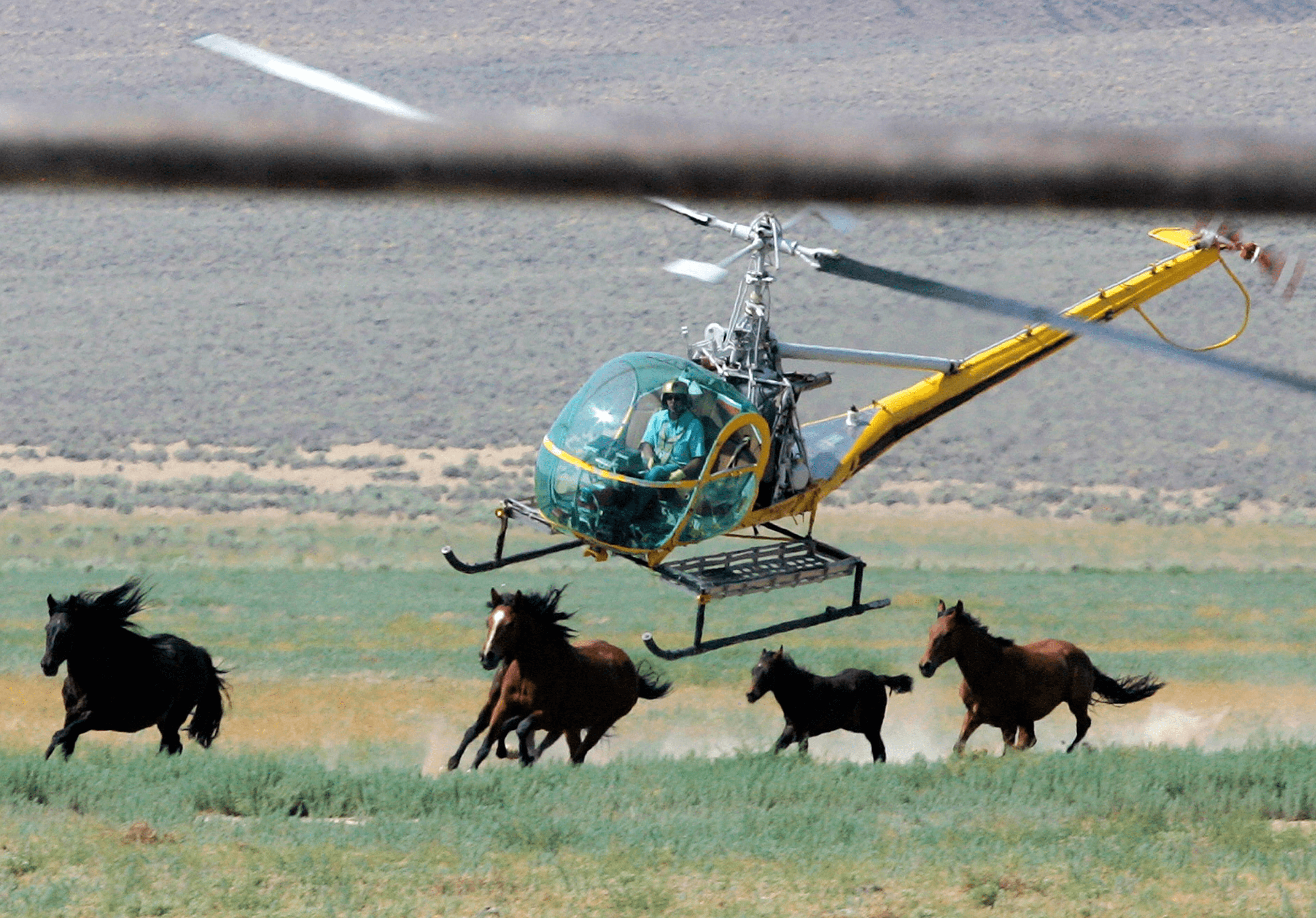
When population numbers grow larger than the land can support, the BLM conducts roundups to remove excess animals.
Some of these horses are then offered for adoption through an incentive program. The current program allows people to:
- Pay $125 to adopt a horse
- Receive $1,000 after owning the animal for one year
Each person can adopt up to four animals at a time. This has unfortunately created a loophole where some people adopt large numbers through family members, collect the incentive money, and then send the animals to auctions instead of providing permanent homes.
In 2021, the BLM rounded up nearly 14,000 equines at a cost of over $112 million in taxpayer funds.
Animal welfare experts have suggested safer alternatives, such as birth-control treatments that prevent overpopulation without traumatic removals. Despite this, roundups still continue today.
Bowie Livestock Auction
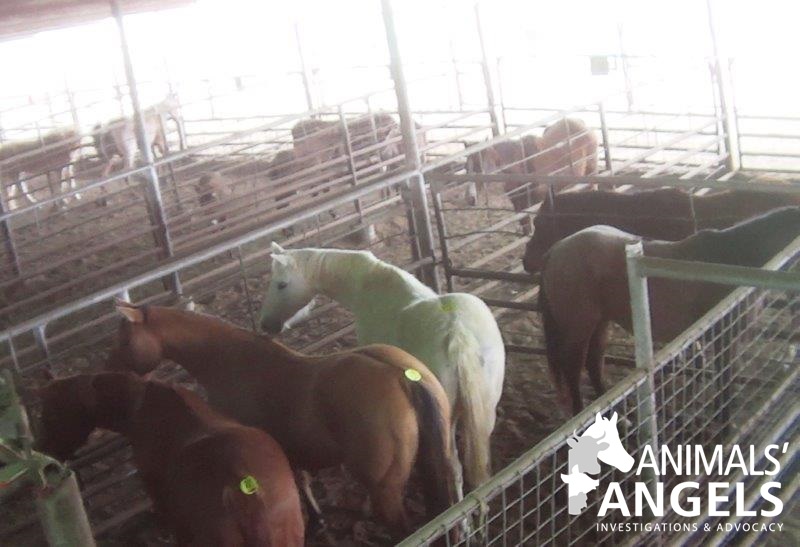
Bowie Livestock Auction, located in Bowie, Texas, is one of the most well-known equine auctions in the United States.
It has been repeatedly mentioned in animal welfare investigations, journalistic reports, and rescue documentation as a high-volume auction with strong connections to the slaughter pipeline.
According to multiple public reports and advocacy organizations, individuals associated with the auction have been linked to the resale and export of horses for slaughter through complex and often controversial practices.
Because of this, Bowie has become a major focus point for rescue groups such as All Seated In A Barn, who attend monthly to purchase and save horses before they can enter the export system.
This makes it both one of the most dangerous — and most critical — locations for rescue intervention in the country.
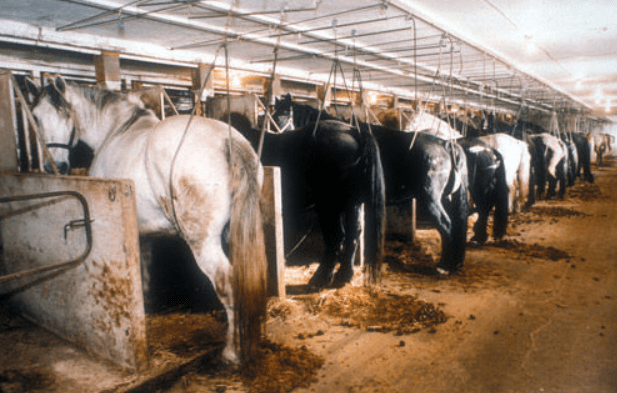
Estrogen (PMU Industry)
Some hormone therapy medications are made using Pregnant Mare Urine (PMU), collected from mares that are kept continuously pregnant in specialized facilities.
In these environments, mares are often confined for extended periods while their urine is collected to produce estrogen-based medications such as Premarin and Prempro.
Foals born into these systems, often referred to as PMU foals, may be considered unwanted and are frequently sent into the auction system shortly after birth.
Animal welfare groups support the development of synthetic, lab-created alternatives that can provide the same medical benefits without repeated breeding or confinement of mares.
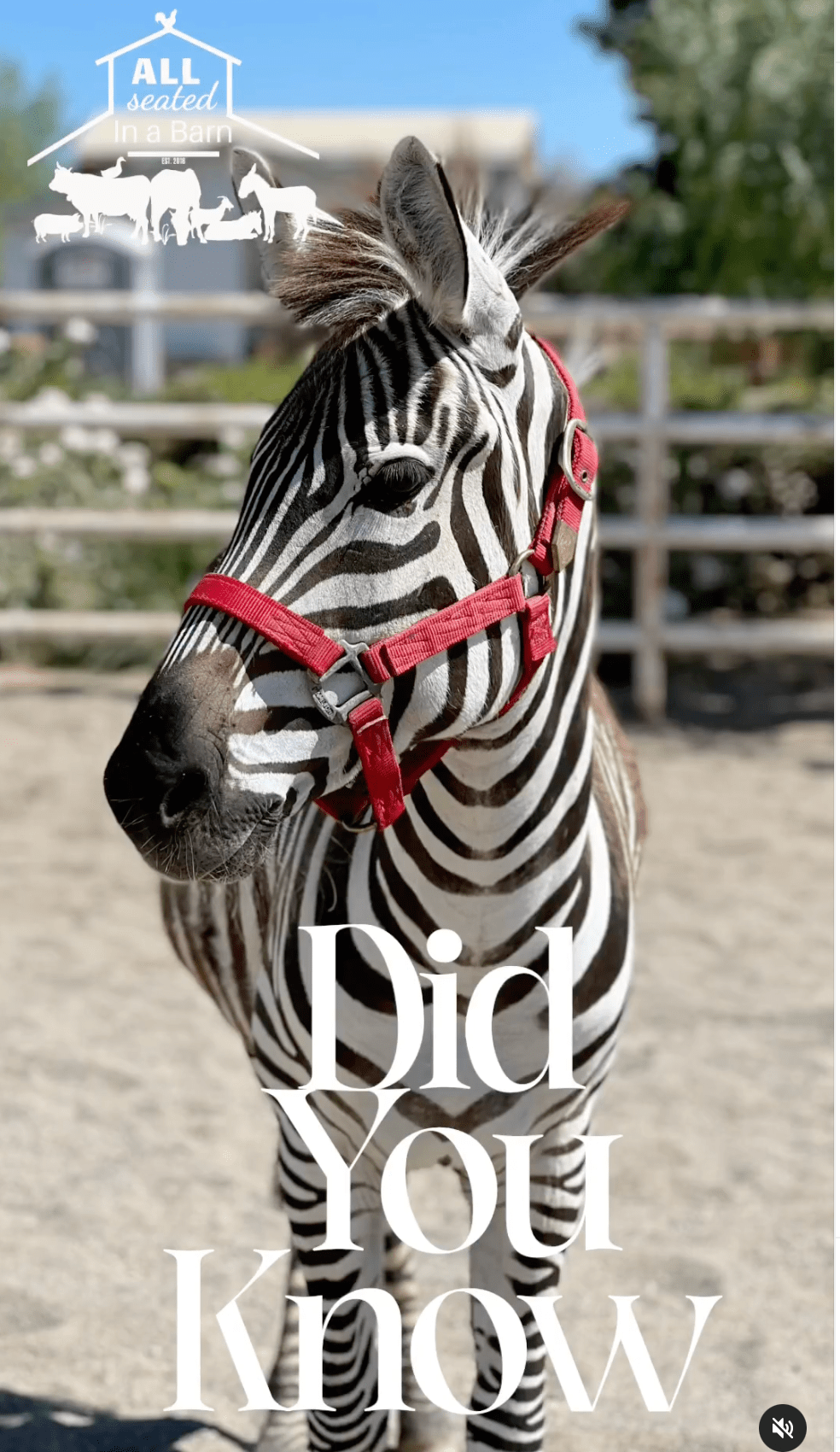
Zebra Hunting
In recent years, exotic equines such as zebras have increasingly appeared in the private hunting and auction industries within the United States.
Some private ranches and hunting lodges charge large fees for people to hunt these animals for sport, trophies, or photographs.
When these animals are no longer considered profitable, they are sometimes sold through auctions, placing them at risk of entering the same harmful pipeline as domestic horses.
Experts have also raised concerns about the transfer of diseases between species when exotic and domestic equines are housed or transported together.
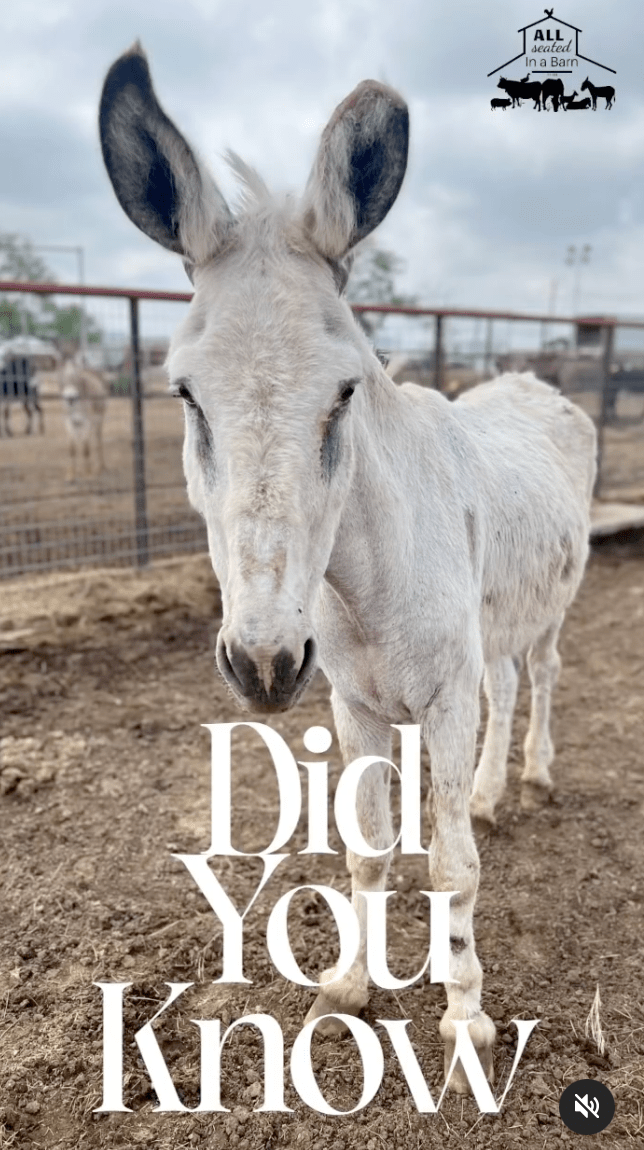
Donkeys & Traditional Medicine
Donkeys are currently facing a global crisis due to the demand for products made from donkey hide, often used in traditional and unproven remedies.
Because donkey hides can be easily sold, many donkeys are stolen, trafficked, or purchased in large numbers at auctions solely for this purpose.
Unlike horses, donkeys have a much lower public adoption rate and are less likely to be rescued, making them especially vulnerable to long-term harm.
Animal protection groups around the world are working to raise awareness and push for stronger laws to protect donkeys from exploitation.
All Seated In A Barn (ASIAB)
All Seated In A Barn is a rescue organization based in Bakersfield, California, led by Tahlia and her dedicated team of volunteers.
Each month, they travel across state lines to attend high-risk auctions such as the one in Bowie, Texas — working long hours under intense emotional and physical pressure to save as many horses as possible before they can enter the pipeline.
These rescues include injured horses, neglected animals, senior horses, foals, and horses that would otherwise have no chance at safety. Once saved, the horses receive medical care, rehabilitation, proper nutrition, and the time they need to heal — both physically and emotionally.
In addition to direct rescue, ASIAB provides ongoing updates, transparency, and education to help the public understand what these animals face and how they can help make a real difference.
Ropin’ Ranch is proud to stand behind All Seated In A Barn and support their mission of compassion, advocacy, and second chances.
Every voice helps. Every share matters.
If you learned something today, please consider sharing this information. Awareness is the first step toward change.